
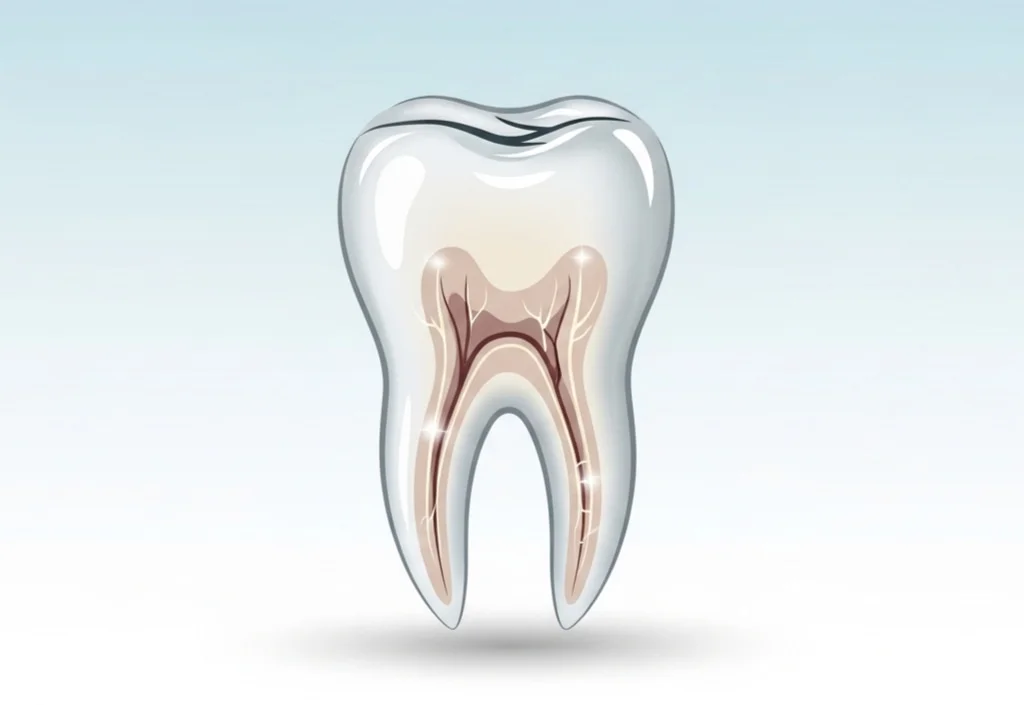
A root canal usually takes between 60 and 120 minutes. The exact time depends on how the dentist treats the tooth and on the complexity of the infection. For example, a tooth with multiple canals, a deep infection, or a retreatment case will usually take longer. Front teeth are often finished faster, while molars take longer because the dentist must clean and seal more canals.
Most patients worry more about how long they will sit in the chair than the procedure itself. That is natural. Dentists perform root canals daily, so it’s a safe and predictable procedure even if it sounds long. When you know what to expect, the process feels easier to manage. In this guide, I will walk you through the whole timeline, from procedure steps to healing and recovery, with clear answers to common questions people ask before a root canal.
What is a Root Canal and Why Timing Matters

A root canal treatment saves a natural tooth when infection or damage becomes severe. Every tooth has soft tissue called pulp, which contains nerves, blood vessels, and connective tissue. When this pulp is inflamed or infected, the tooth becomes painful and fragile. A root canal removes the diseased pulp, cleans the canals, and seals the space so the tooth can stay in place.
Root canals can feel stressful because of time and pain concerns. The procedure involves cleaning, shaping, sealing, and sometimes a crown. Most appointments last only 1–2 hours, which helps ease anxiety.
Average Time for a Root Canal Procedure

On average, a root canal takes about 30 to 120 minutes. According to dental guidelines and typical clinical practice, dentists often finish simple cases in one appointment, while complex cases may need two visits. If the infection is severe, the dentist may clean the canals in the first visit and place medication before sealing them in the second to ensure proper healing.
Here is a clear breakdown of average treatment times:
- Simple cases (front teeth with one canal): 30 to 60 minutes
- Moderate cases (premolars with two canals): 60 to 90 minutes
- Complex cases (molars with three or more canals): often 90 to 120+ minutes, and in some retreatment or abscess cases, may require two sessions
Most patients are surprised to learn dentists usually complete the procedure in the same time it takes for a more extended filling or a wisdom tooth extraction. Even in the longest cases, it rarely goes beyond two hours. Knowing this helps them plan their day and feel more at ease in the chair.
Which Teeth Take Longer for a Root Canal
Not every tooth takes the same amount of time to treat. The number of canals and the tooth’s position in the mouth make a big difference.
- Front teeth (incisors and canines): Usually have a single canal. They are the fastest to complete, and dentists often finish them in 30 to 60 minutes.
- Premolars: Often contain two canals. They take longer than front teeth, usually about 60 to 90 minutes.
- Molars: Can have three or more canals and are the most complex teeth to treat. A molar root canal often takes 90 to 120 minutes, and in cases with unusual anatomy, retreatment, or curved canals, the time may extend beyond two hours.
If the dentist places a crown during the same visit, you should expect an extra 30 to 60 minutes. Some dental offices provide same-day crowns with advanced technology, while others place a temporary crown first and schedule a separate visit for the permanent one.
Dentists often find that patients feel more comfortable once they hear these clear estimates. A simple way to remember is: front teeth are usually the quickest, and molars take the longest.
What Happens During a Root Canal Visit
A root canal follows a series of predictable steps. Each stage has its own time range and makes up the whole procedure length.
- Consultation and X-ray: The dentist checks the tooth and takes X-rays to map the canals. This usually takes 20 to 30 minutes, though the consultation sometimes happens in a separate visit and not on the same day as the treatment.
- Anesthesia: The dentist administers a local anesthetic to numb the tooth and the surrounding area. The injection takes just a few minutes, but usually takes 15 to 30 minutes for complete numbness to set in.
- Cleaning and shaping the canals: The dentist makes a small opening, removes the infected pulp, and cleans and shapes the canals. This is the most time-consuming step, usually 30 to 60 minutes.
- Filling the canals: Once cleaned, the dentist seals the canals with a biocompatible material. This stage takes about 15 to 40 minutes.
- Temporary filling or crown: If the dentist places a crown in the same visit, add another 30 to 60 minutes. Otherwise, the dentist places a temporary filling to protect the tooth until the dentist schedules the permanent crown.
It’s important to note that these times can overlap and don’t always add up linearly. The whole procedure generally takes 60 to 120 minutes. Each step is routine and predictable, so that nothing will surprise you.
What Decides How Long a Root Canal Will Take
Even though the average range is 30 to 120 minutes, several factors can change the timing. Tooth anatomy is vital because front teeth with one canal are faster, while molars with three or more canals need extra time. The severity of infection also matters, since a tooth with deep decay or an abscess often requires more cleaning and may even need a second visit.
A dentist’s expertise and the tools available can also influence timing. The procedure is usually more efficient with advanced equipment such as digital X-rays, rotary instruments, and dental microscopes. Patient factors like difficulty keeping the mouth open, dental anxiety, or unusual root shapes can sometimes add time, but dentists typically manage these with breaks, numbing adjustments, and comfort techniques.
Retreatment cases are usually the most time-consuming because removing old filling material and disinfecting the canals requires more precision. Dentists generally find that the most significant difference is whether the case is a fresh infection or a retreatment. Even with these variations, most treatments still fall within the 1 2—hour window.
How Long Does It Take to Feel Normal Again
The procedure ends when you leave the dental chair, but healing continues briefly afterward. Most patients feel normal within about a week, while tissue healing around the tooth usually takes two to three weeks.
First 24 to 48 hours: Mild soreness or tenderness is common and part of natural healing; nothing to worry about. Over-the-counter pain relief usually manages it well. Most people return to work or school the same day or the next.
Within one week: Discomfort fades, and chewing feels easier. By this point, most patients feel close to normal.
Two to three weeks: The tissues around the tooth usually heal completely within two to three weeks. If the dentist adds a crown later, this marks the final stage of recovery.
Eating requires some care. Wait until the numbness wears off, then start with soft foods. If the tooth has not yet received a crown, avoid chewing hard or sticky food on that side. If the dentist places a crown on the same day, there are fewer restrictions, but if the dentist uses a temporary crown, you need extra caution to prevent cracks or dislodgement.
Dentists usually advise listening to your body, which is the best guide. If pain increases instead of improving, swelling develops, or fever develops, you must contact your dentist promptly.
What the Procedure Feels Like and How to Manage Recovery Pain
Many patients worry about pain before a root canal. The procedure is usually no more uncomfortable than a standard filling, thanks to modern local anesthesia. You should not feel sharp pain while the dentist works on the tooth. Modern anesthesia makes the procedure mostly painless.
After the procedure, most patients experience mild soreness or tenderness for 2 to 5 days. Over-the-counter pain medication usually handles this well. A tooth with a root canal can feel sensitive when chewing, but this typically improves within a week.
Some patients ask about specific cases:
- Without anesthesia: In modern dental practice, dentists always use anesthesia, so this scenario is rare.
- It is often less painful on a dead tooth since the nerve is already inactive, but you may feel some pressure or vibration.
- Jaw pain: Occasionally, keeping the mouth open can cause the surrounding jaw muscles to feel sore. Mild soreness is normal, but contact your dentist if pain is persistent or severe.
Dentists generally find that preparation and clear guidance improve patient comfort. Understanding what to expect helps patients manage anxiety and feel more comfortable throughout treatment.
What Happens if a Root Canal Fails
Sometimes, a tooth needs root canal retreatment if the original filling fails or infection returns. This procedure takes longer than the first one because the dentist removes old material, cleans the canals again, and reseals the tooth. Depending on complexity and infection, retreatment usually lasts 90 to 150 minutes.
Root canal treatment is adjusted for children’s smaller teeth and developing roots. Pediatric root canals are generally quicker, often taking about 30 to 60 minutes for front or single-canal teeth, but they require careful attention to make the child comfortable.
A dead tooth needs special care. Since the nerve is inactive, treatment is usually less painful, though mild pressure during cleaning is normal; severe pain is rare. Knowing this helps patients set realistic expectations and stay relaxed. Experienced dentists handle these procedures routinely.
How Long a Root Canal Lasts, Possible Risks, and Cost
A properly performed root canal can last 10 to 15 years or even a lifetime, especially when the treated tooth receives a crown. Regular dental care and crown placement significantly improve longevity, while a tooth without a crown is weaker and more prone to cracking.
Common side effects are usually mild and short-lived, lasting 2 to 5 days: slight soreness, tenderness, or minor swelling. Rarely, reinfection may occur, requiring follow-up treatment. Patients should contact their dentist if pain worsens or persists.
Cost varies depending on tooth type, complexity, location, and retreatment needs. Front teeth are generally less expensive than molars, averaging $300 to $2,500. While extraction may seem cheaper upfront, keeping your natural tooth often avoids additional costs for implants or bridges later. Clear information helps patients make informed decisions and feel confident about treatment.
Root Canal or Extraction: Which One Is Better for You
When a tooth is severely damaged, saving it with a root canal is usually the long-term option. A natural tooth maintains proper chewing function, preserves jawbone strength, and stabilizes surrounding teeth.
Extraction may seem faster and less costly initially, but it often leads to added procedures and expenses, such as bridges or implants, which increase costs and treatment time. Retreatment may be attempted before extraction if feasible.
Saving a natural tooth with a root canal generally avoids the complications of missing teeth and provides better long-term satisfaction. Extraction becomes the right choice only if the tooth is too damaged to restore or previous treatments have failed.
Conclusion
Depending on the tooth type and complexity, a root canal usually takes 1 to 2 hours. Front teeth are quicker, while molars take longer. Recovery is generally smooth, with mild soreness lasting 2 to 5 days and complete tissue healing in about 2 to 3 weeks.
A treated tooth can last many years or even a lifetime with proper care and a crown. Modern techniques make the procedure safe, efficient, and far less intimidating than many expect. Following aftercare instructions and understanding the process helps patients feel confident and comfortable throughout treatment.
FAQs
Why does a root canal take 2 hours?
Complex teeth, multiple canals, severe infection, or retreatment extend the procedure. Each stage needs careful attention. Typical procedure duration is 60 to 120 minutes.
Can you eat after a root canal?
Once the numbness wears off, start with soft foods and avoid chewing directly on the treated tooth. Extra caution is needed to prevent damage if a temporary crown is in place.
Can you eat without a crown?
Yes, but avoid hard or sticky foods. The tooth is more fragile until the dentist places the crown.
Is it painful to extract a root canal tooth?
With anesthesia, it is generally manageable. Mild soreness is normal, severe pain is rare, and should be reported to your dentist if persistent.
How long does a root canal hurt?
Mild soreness usually lasts 2 to 5 days. Persistent or severe pain requires a dentist’s evaluation.


